Thinking without pretending the thought is finished.
Essays on music, art, psychology, desire, discipline and beauty. Each essay is published in its original language. A language option is available when a translation exists.
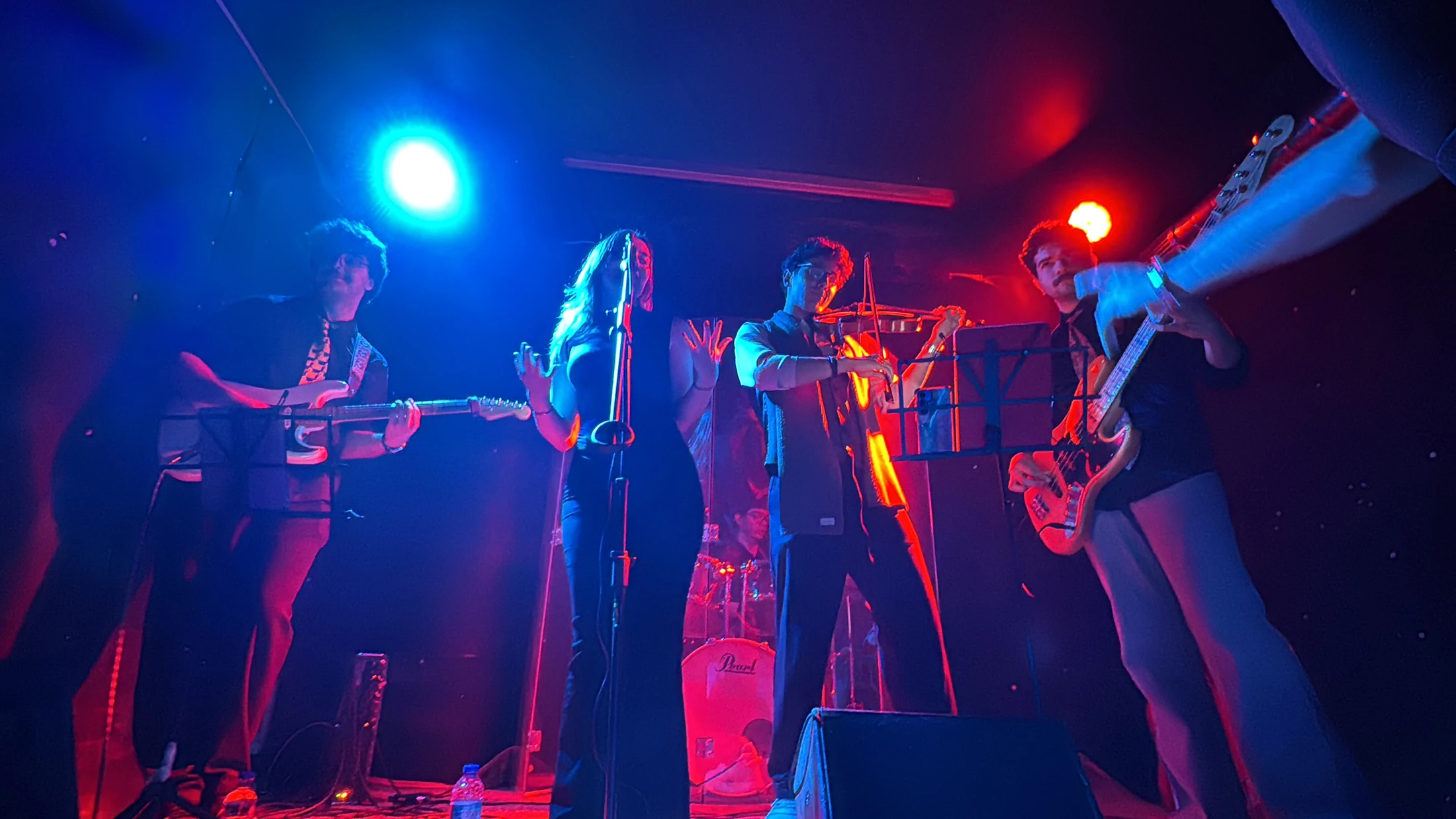
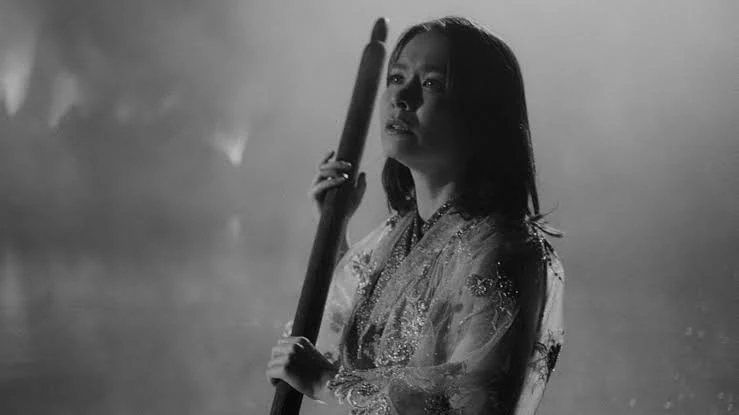
Heaven: Mitski, Jazz, and the Secret Architecture of Longing
A close listening to Mitski’s “Heaven”: jazz harmony, orchestral colour, elastic time and the unresolved architecture of longing.
Read →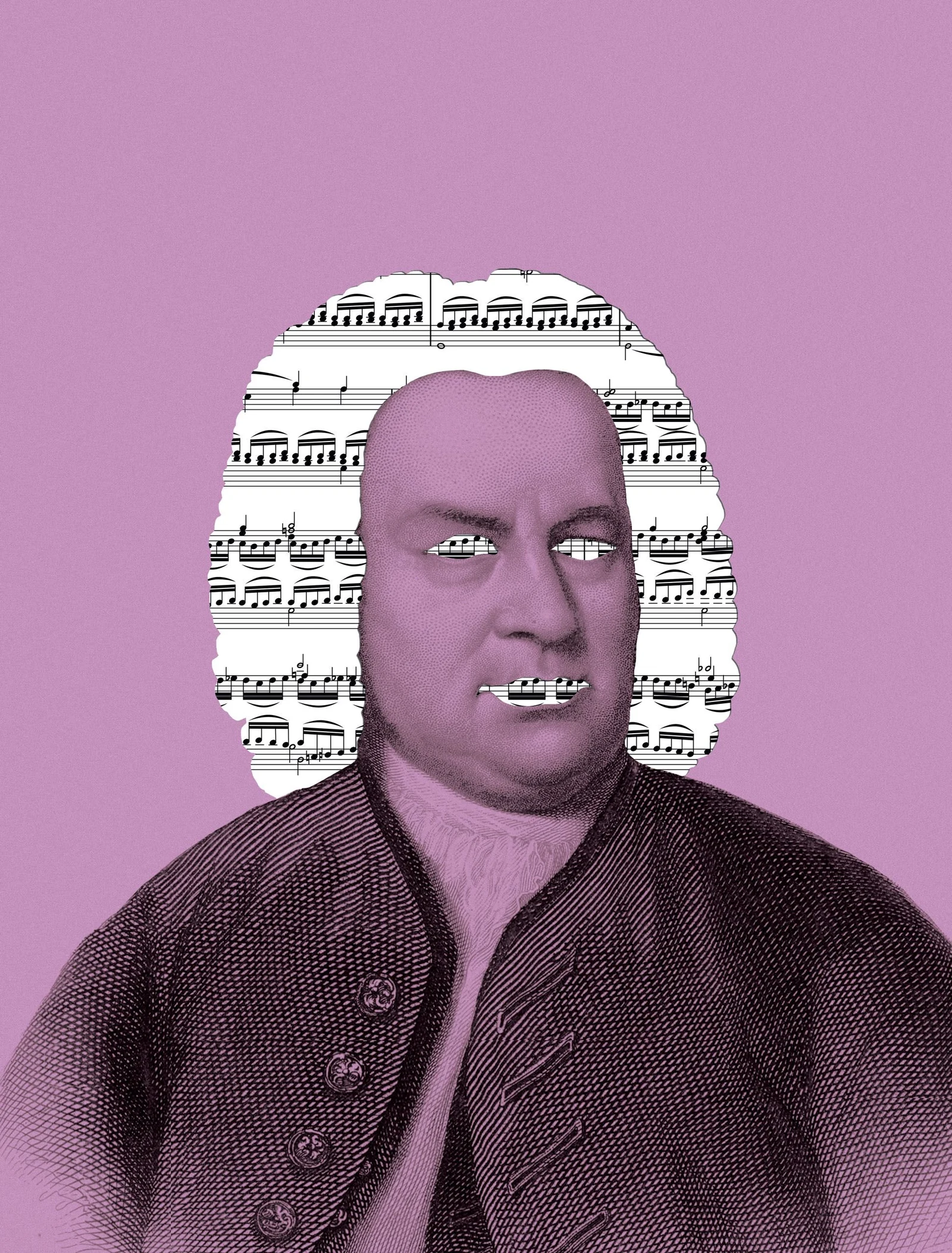
The Key to Everything
Bach, temperament, fugue and the peculiar pleasure of questions that become more interesting when they refuse to close.
Read →
Çeliğin Sıcaklığı Hatırladığı Gece
Yıldızların göğün bağrında cereyan eden eski bir kavganın közleri gibi göründüğü bir gece; hafıza, metal ve insanın kendisine anlattığı hikâyeler üzerine.
Read →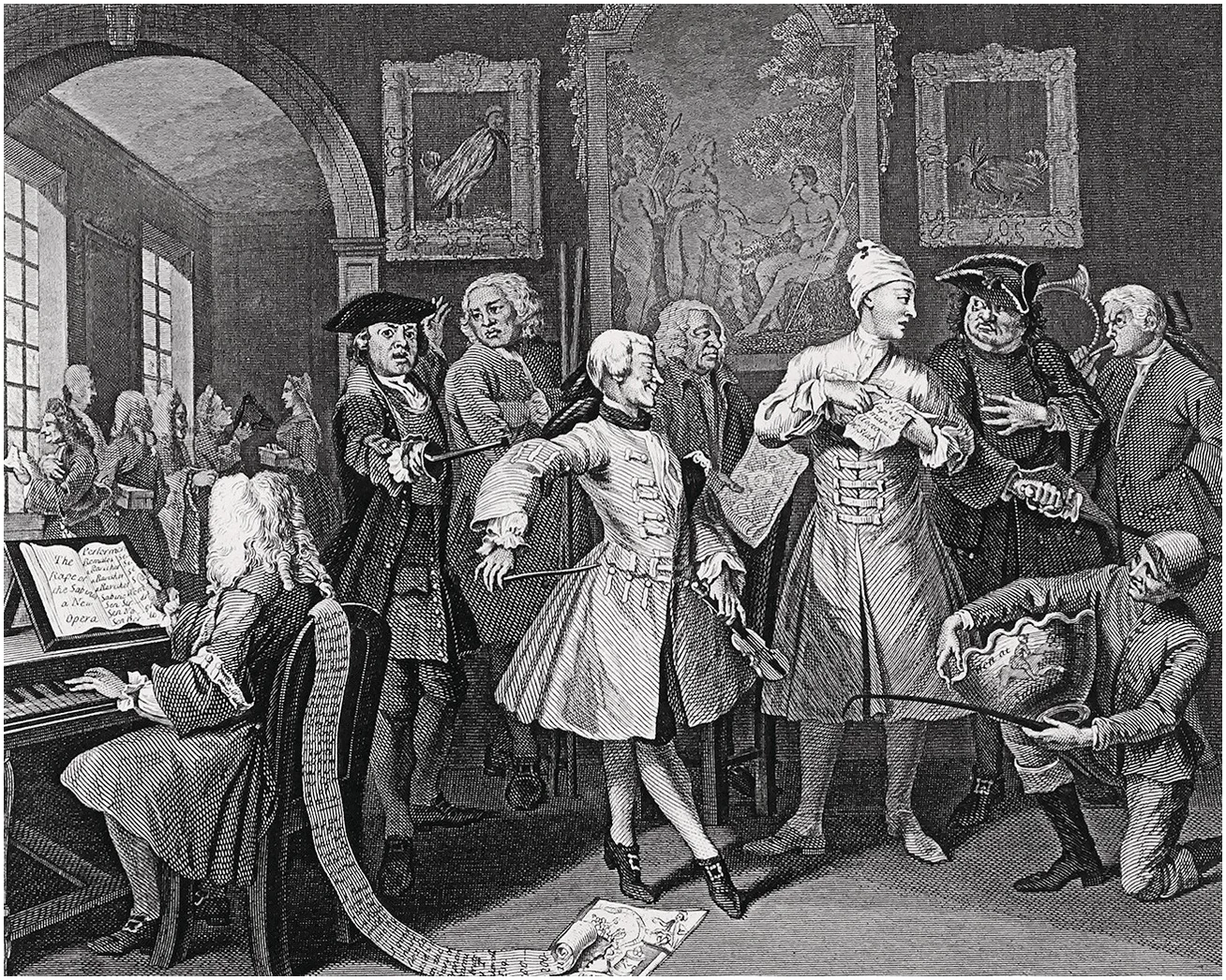
The Price of a Perfect Note
Castrati and the violence behind the beautiful voice: what musical beauty asks us to hear, and what history asks us not to ignore.
Read →Why I Write
I have been writing since middle school, although “writing” may be too orderly a word for what began as a mild obsession with Turkish poetry.
My first education in language came through divan literature: Fuzûlî, Nedim, Nâbî, aruz metre, and all the elaborate ways a poet could turn one unanswered glance into a matter of cosmic importance. Later, I found the sharper, more exposed voice of modern Turkish poetry. Somewhere between the two, I learned that language can be disciplined without becoming cold, and emotional without losing its form.
Then classical music entered the picture, followed by painting, art history, psychology and philosophy. Naturally, I began writing about all of them. During high school, I also started writing more seriously in English—essays, reflections and the occasional midnight argument with a composer who had been dead for two hundred years.
I write because curiosity rarely leaves me alone. I want to know why a particular harmony feels like grief, why a painting can make a room seem quieter, why people repeat what hurts them, and why certain memories improve dramatically when told over dinner. I have always enjoyed narration as much as writing; given the slightest encouragement, I will retell a childhood incident or an obscure episode from the Schumanns’ marriage with gestures, suspiciously precise dialogue and far more suspense than the evidence supports.
For me, writing is a way of thinking without having to pretend the thought is already finished. It gives shape to whatever I am studying, remembering or failing to understand. Music, art, desire, discipline, beauty, psychology—the subjects change, but the impulse does not.
Some people keep orderly notebooks.
I seem to build entire stories around the margins.