Individual education designed around the learner, with online teaching at its centre.
Violin, music theory and structure, music history and guided listening, mathematics and psychology-informed academic mentoring: every private-education programme belongs within ARSLAN CLASSICS.
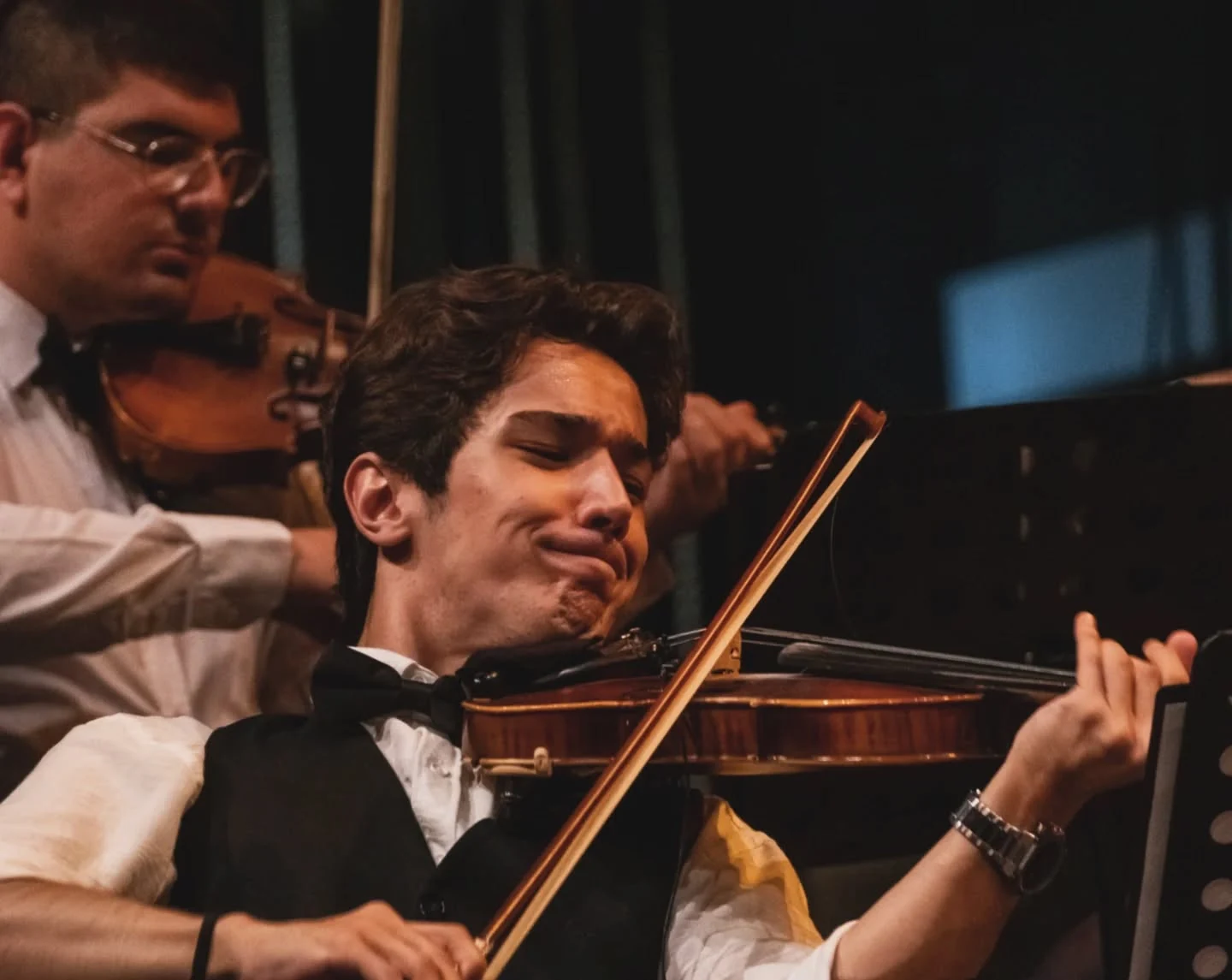
Find the right area to study.
Every standard programme is individual, conducted directly by Giray Arslan and online by default. Limited in-person work in Istanbul is reviewed separately.
Music & Arts
One-to-one study in instrumental technique, musical structure, history and listening.
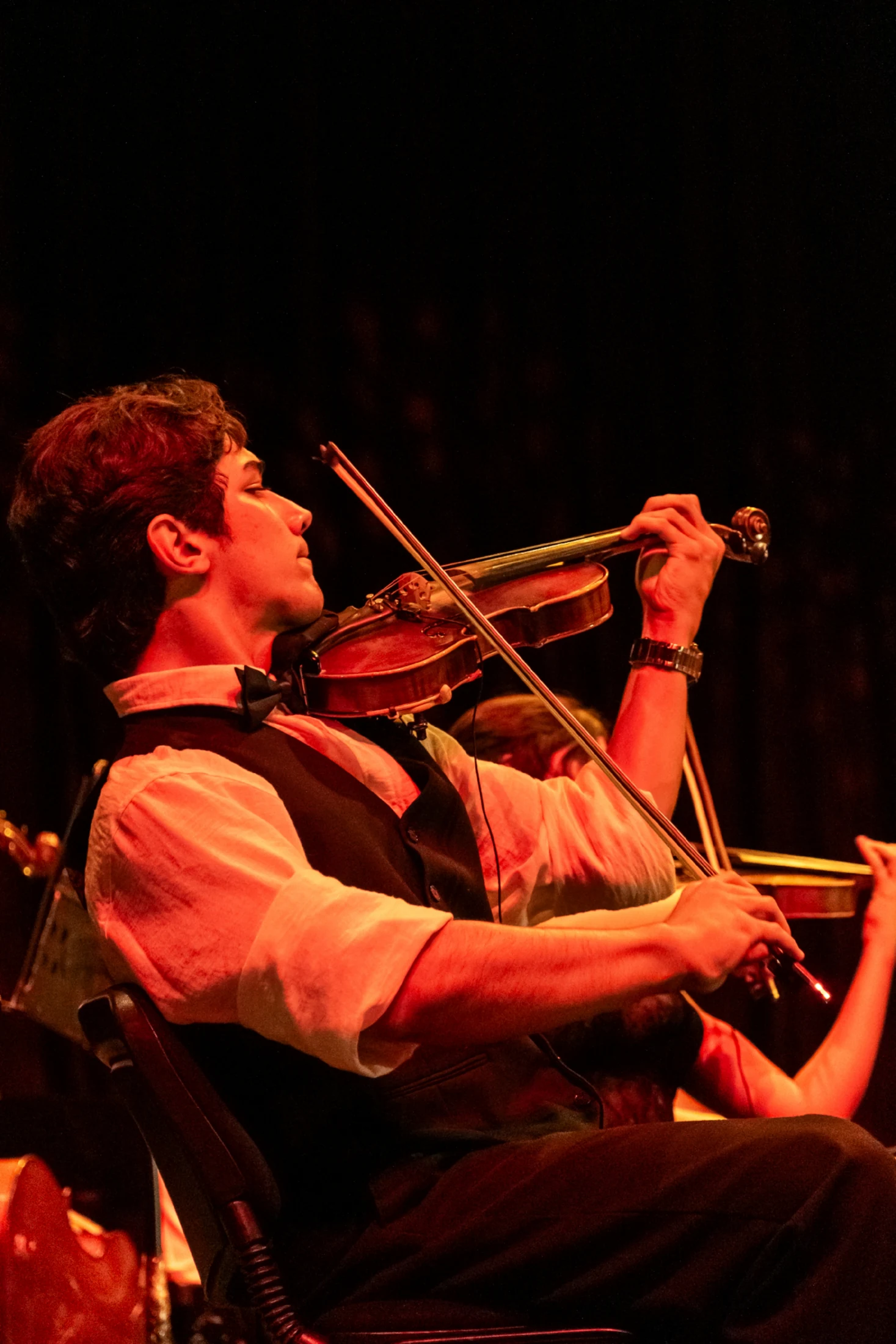
Academic Studies
Individual support in Mathematics and in managing a sustainable academic routine.
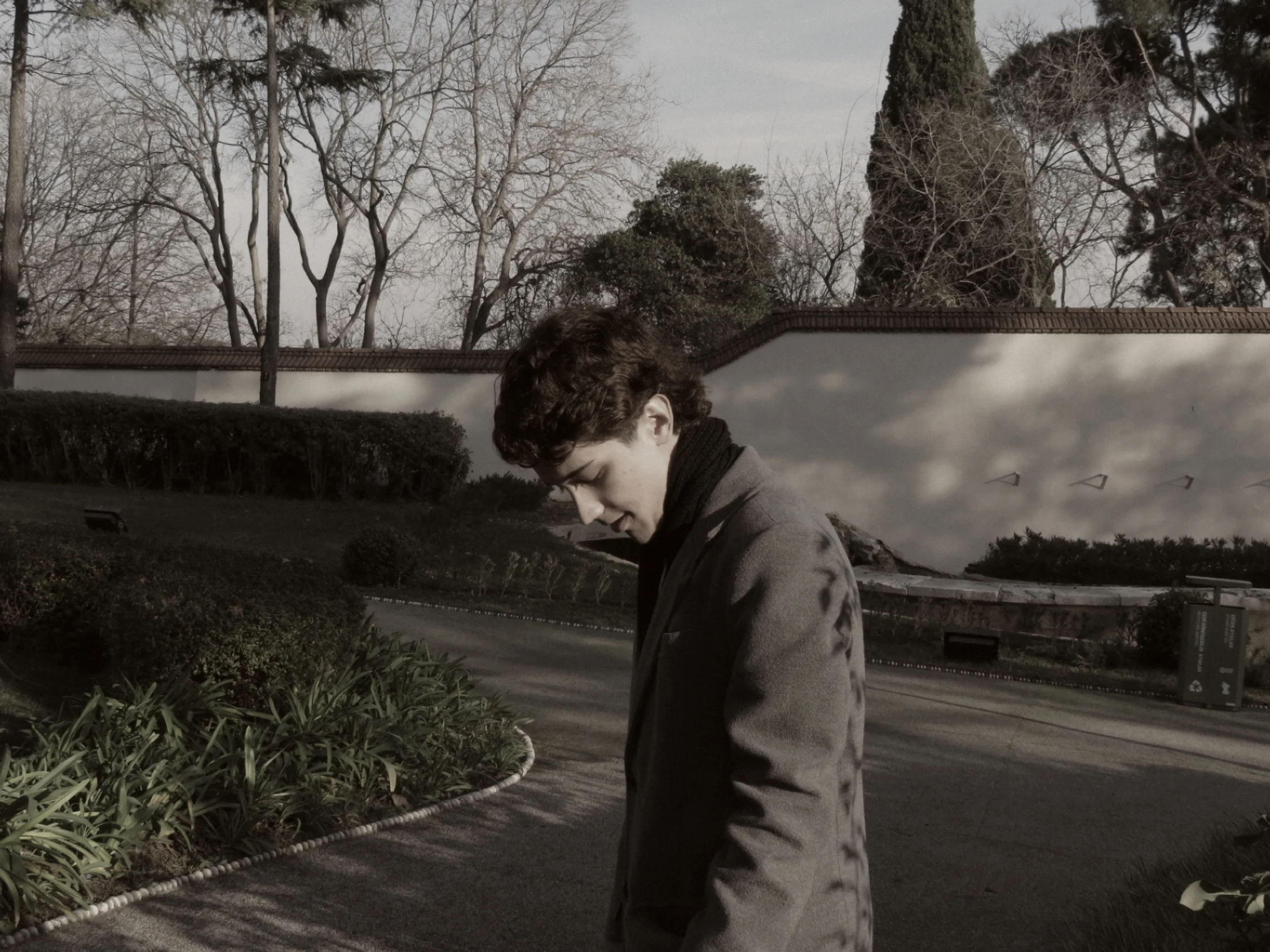
Mathematics
Individual work that clarifies what is given and asked, rebuilds missing foundations and develops independent problem solving.

Academic Mentoring
One-to-one mentoring for planning, mock-exam analysis, priorities, study habits and self-regulation, informed by psychology.
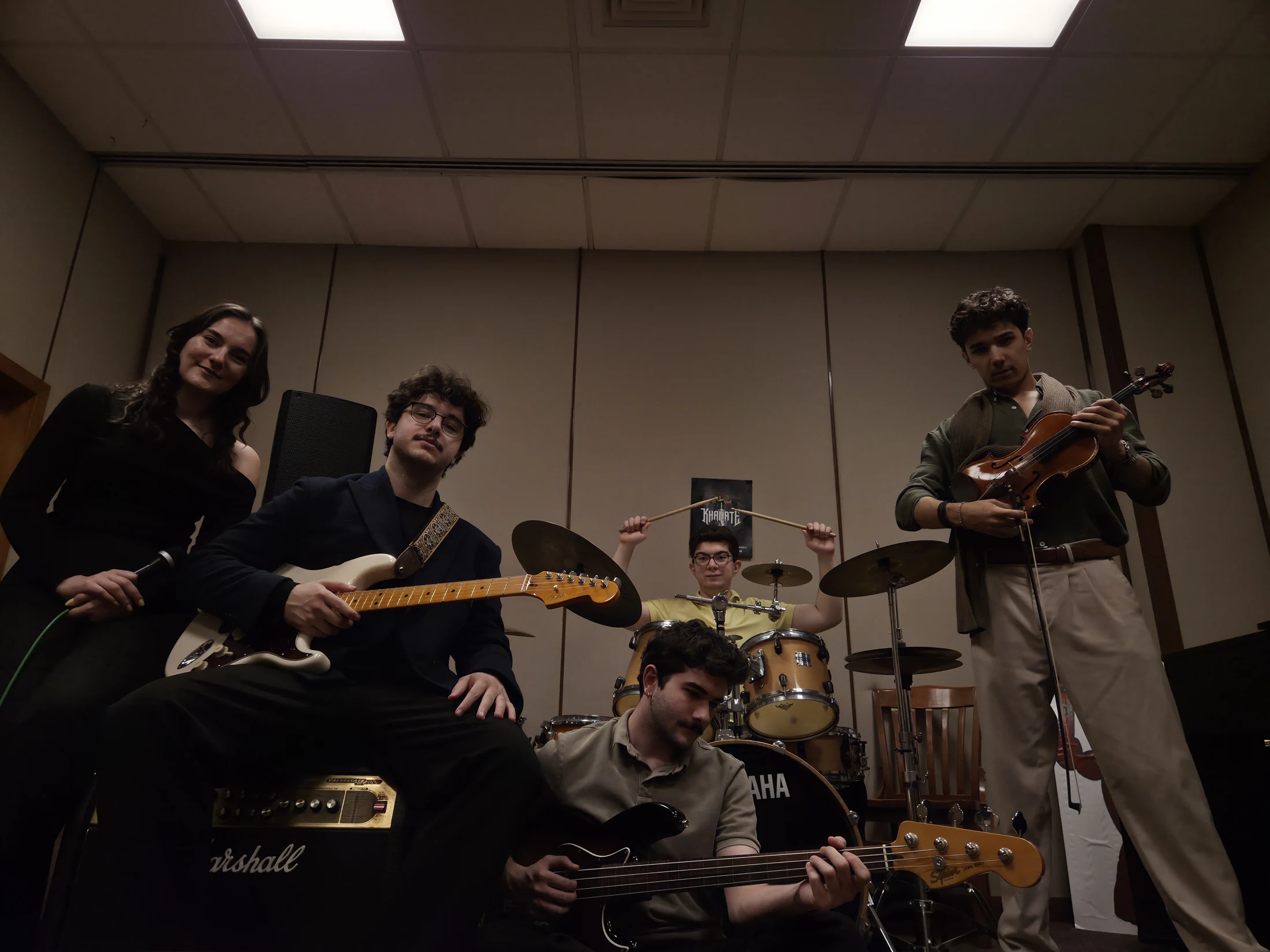
The programme is built around the learner’s level and the time they can realistically commit.
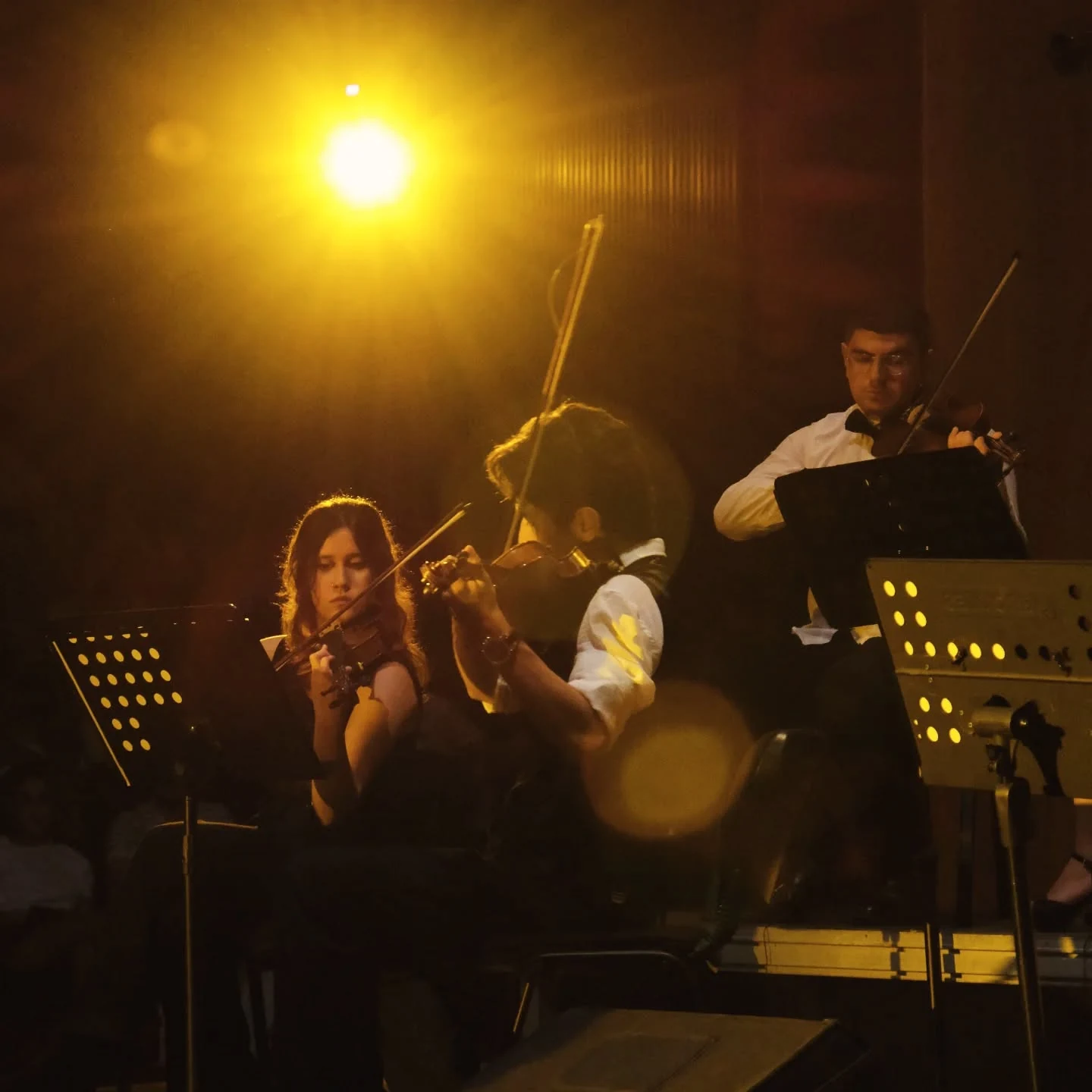
Technique is studied in direct relation to the sound it produces.
Serious standards, clear communication and room to ask questions.
Why I Founded ARSLAN CLASSICS — Academy of Music & Arts
I have never been particularly fond of beginning halfway through a subject.
It happens surprisingly often in education. A teacher knows a concept so well that its foundations become almost invisible; the student, meanwhile, is expected to enter through a door they have not yet learned to recognise. When understanding fails, the same explanation is repeated—sometimes faster, sometimes louder, occasionally with the mysterious hope that volume might complete the pedagogical work.
It usually does not.
ARSLAN CLASSICS — Academy of Music & Arts was created to close that gap: the distance between being shown something and genuinely understanding it.
My teaching begins with the student’s real point of departure. Not the page reached in a method book, not the difficulty of the last piece performed, and not the level written on an application form. A student may have played for several years and still carry an unresolved problem in rhythm, bow movement or intonation. Another may be touching the instrument for the first time but already possess an attentive ear and a strong sense of pulse.
The correct foundation is not determined by prestige or chronology. It is the first place where the student’s playing ceases to be stable, conscious or repeatable.
Returning there is not a retreat. It is what allows later progress to stand on something stronger than luck.
I founded ARSLAN CLASSICS — Academy of Music & Arts around a simple conviction: repetition matters, but understanding determines what repetition creates. A student can practise diligently and still become more efficient at reproducing the wrong movement. Technique is built through repetition, certainly—but repetition without diagnosis may polish the problem rather than solve it.
For that reason, I try to make the logic of a task visible. I divide complex actions into manageable parts. I connect physical movement with sound, sound with listening, and listening with deliberate correction. When an explanation does not land, I do not assume that the student simply needs to “try harder.” Sometimes the exercise is poorly chosen. Sometimes the language is too abstract. Sometimes the student has been asked to solve three problems at once when only one of them should be active.
Teaching is not the performance of knowing. It is the design of conditions in which another person can begin to know.
That design must also include trust.
A student should be able to ask an elementary question without embarrassment, admit that something remains unclear, or attempt a passage before it is polished. None of this requires lower standards. In fact, psychological comfort and technical seriousness work best together. Fear may produce temporary obedience, but it rarely produces perceptive, independent musicians.
The atmosphere I want is warm without becoming vague, disciplined without becoming punitive, and direct without humiliating the learner. Good education should be serious. The room itself does not need to resemble a disciplinary tribunal.
I also do not want students to remain dependent on constant correction. At the beginning, the teacher naturally carries more of the responsibility: identifying errors, choosing priorities, structuring practice and demonstrating solutions. Over time, that responsibility should gradually shift.
The student should learn to hear when intonation changes, recognise when rhythm becomes unstable, understand why a bow movement is producing tension, and know how to isolate a difficult passage. The metronome and tuner should become tools rather than authorities from a hostile foreign government. A practice session should have a method, not merely a duration.
Ultimately, good teaching should make the student increasingly capable without the teacher.
This is also why personalisation matters so much in ARSLAN CLASSICS — Academy of Music & Arts. Yet I use the word carefully. Personalised teaching does not mean improvising without structure or redesigning the entire philosophy every week. The principles remain stable: clear foundations, conscious technique, musical understanding, realistic practice and growing independence. What changes is the route.
Age changes the route. Experience changes it. Attention, schedule, physical comfort, ambition and musical taste all matter. A child, a university student and an adult returning to music after fifteen years should not receive the same language, pacing or responsibility structure. Nor should they be placed inside identical practice plans merely because they happen to be working from the same book.
A programme that looks impressive on paper but collapses inside the student’s actual week is not rigorous. It is decorative.
I want a system that works not only on the first day of high motivation, but on an ordinary evening when the student is tired, busy and considerably less heroic.
The online teaching model of ARSLAN CLASSICS — Academy of Music & Arts follows the same reasoning. I do not treat online education as a diluted imitation of the “real” lesson. It has limitations, as every format does, but it also offers specific strengths when designed intentionally.
Camera positioning can make posture and coordination visible. Annotated scores can be shared immediately. Students can submit focused recordings between lessons. Personal demonstration videos can address recurring problems. Written and voice-message guidance can preserve the week’s priorities long after the live session ends. The learning process becomes documented, reviewable and less dependent on memory.
Most importantly, the educational relationship is no longer restricted by geography. A student in Istanbul and a student in another country can enter the same carefully designed process. Limited face-to-face work in Istanbul may still be available where practical, but the central model remains location-independent, structured and personal.
The name ARSLAN CLASSICS — Academy of Music & Arts reflects this philosophy.
“Classics” certainly carries a connection to classical music, but I chose it for a broader reason. To me, a classic is something that continues to reveal its value after novelty has faded. It is not sustained by ornament, fashion or constant self-advertisement. It lasts because its form is sound, its craft is serious and its substance rewards return.
That is what I want the teaching here to pursue: methods that remain useful beyond one piece, one exam or one month of enthusiasm. A student should not merely complete repertoire. They should leave each piece with a more refined ear, a more intelligent practice process and a skill that can travel forward.
Technique should outlive the exercise that introduced it. Understanding should outlive the explanation. Independence should outlive the lesson.
The word “Academy” does not mean an impersonal institution or an attempt to imitate a conservatory. It means giving a coherent structure to an educational philosophy: a structure that can be refined, expanded and shared without losing the human relationship at its centre.
At present, ARSLAN CLASSICS — Academy of Music & Arts is inseparable from my own teaching. If it grows, that personal responsibility must not disappear behind institutional language. Students should never become account numbers. Programmes should not be assigned by automation alone. Marketing should never promise what the teaching cannot honestly deliver.
The Academy may expand. Its programmes may evolve. New collaborations and fields may enter its world. But certain principles must remain non-negotiable:
The student must be taken seriously.
The starting point must be honest.
The method must be understandable.
The standard must remain high.
And education must produce greater agency, not greater dependence.
I did not found ARSLAN CLASSICS — Academy of Music & Arts simply because I wanted to offer lessons. I had already been teaching for years. I founded it because I wanted the entire structure surrounding the lesson—the explanation, the follow-up, the feedback, the practice design, the musical context and the student’s confidence—to become part of the education itself.
I want students not only to play better, but to become better at learning.
That is the reason ARSLAN CLASSICS — Academy of Music & Arts exists.
Tell me what you want to learn.
Choose your area of interest, then clarify your level and goal before applying. We confirm the right fit after reviewing your application.
Complete the three short steps and your suggestion will appear here.
Students and parents share their experience.
“Lessons with Giray make you feel taken seriously without placing you under unnecessary pressure. He notices mistakes, yet the way he explains them encourages you to try again rather than tense up. After a while, you do not only begin to play better; you also begin to pick up the violin with greater confidence.”
“He is a disciplined teacher, but not one who simply assigns work and moves on. When he realises that I have not understood something, he finds another way to explain it and makes sure it has genuinely settled. I leave the lesson with more than a page to practise: I know how to practise it.”
“Working with Giray taught me not only how to play pieces, but how to notice my own mistakes. That is one of the things I use most in the conservatory today: when a problem appears, I investigate where it comes from instead of giving up immediately. The most lasting habit he gave me was learning to take responsibility for my own practice.”
“What mattered most to me was that my daughter wanted to attend her lessons and finished each one knowing what to do next. Giray is disciplined, but he moves forward without diminishing a child’s enthusiasm. As a parent, being able to receive information when needed and seeing that the process is not being handled casually is also reassuring.”
Let’s begin by understanding the goal.
Submitting an application is not automatic acceptance. Giray Arslan reviews your goals, level, schedule and programme fit. A free 15–20-minute introductory conversation may be suggested if needed.